Why early mornings matter
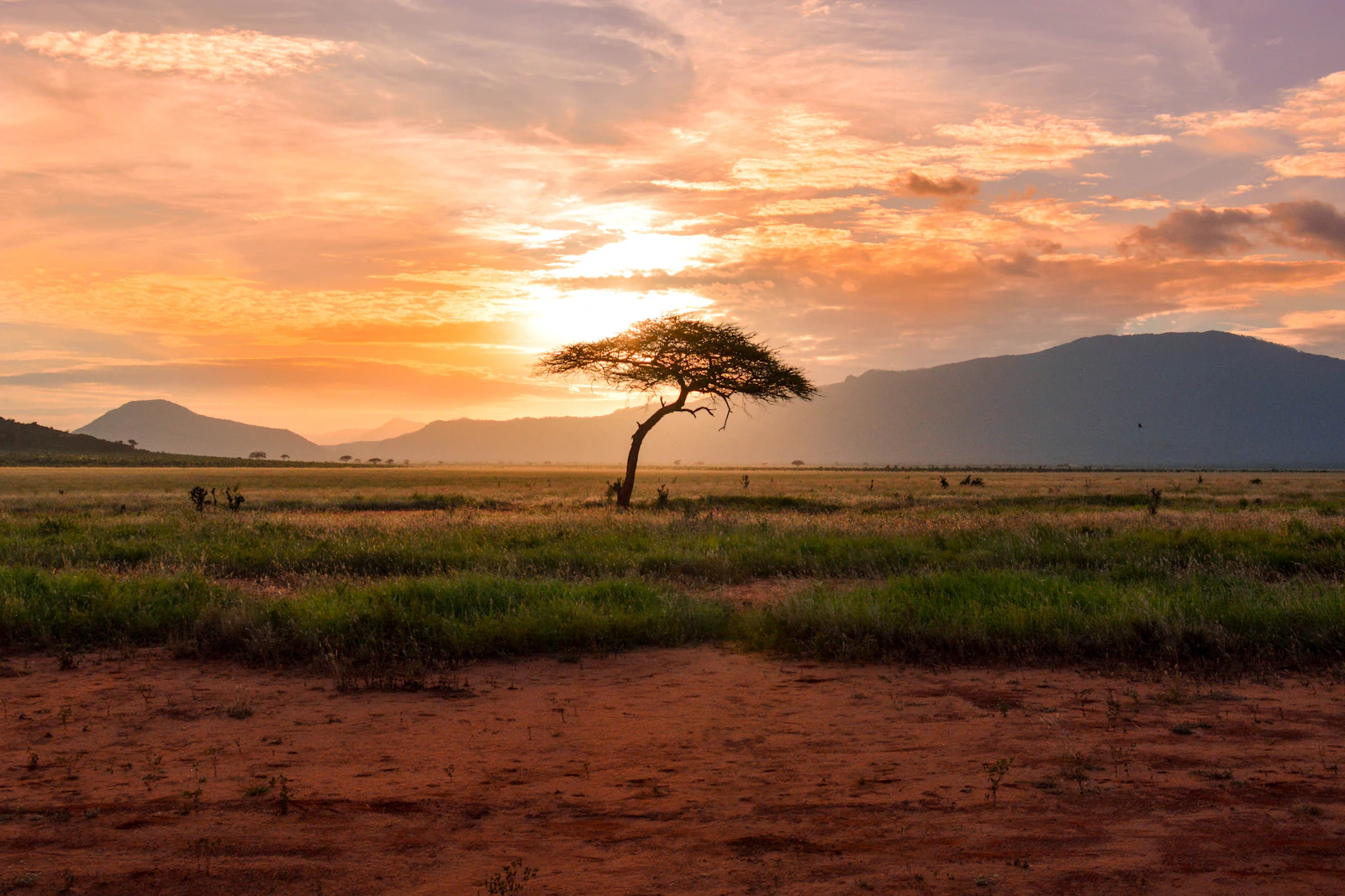
Desert sunrises are a separate category of experience. The cold air, the silence before the wind picks up, the way the colour spreads across a landscape that most of the day will look bleached.
It takes effort. You'll be up before four in most places. But the reward is reliable, in a way few travel experiences are.

Where to watch
The dunes near Sossusvlei in Namibia, particularly Big Daddy or Dune 45, with the red sand turning through every shade of orange as the sun rises.
Wadi Rum in Jordan from a high point near one of the camps, with rock formations that catch first light before the sand does.
Monument Valley on the Arizona-Utah border, from the famous overlook or from the valley floor with permission.
The Atacama in Chile from above San Pedro, with the Andes catching light minutes before the valley floor does.

How to actually do it
Set the alarm earlier than seems reasonable. Allow time to drive to the viewpoint and to set up if you're photographing.
Bring warm layers. Deserts are cold before dawn even when they're hot by noon.
Bring a thermos. Bring breakfast for after.
Travel tips
- → Set your alarm an hour earlier than needed
- → Carry warm layers for pre-dawn cold
- → Bring a thermos of coffee
- → Scout the viewpoint the day before
Best season
Cooler months for comfort, year-round for the experience.
How to get there
From the nearest desert town, usually a short drive or walk to a viewpoint.
What to expect
Cold, silence, dramatic colour change, and a quick reversion to ordinary desert heat by mid-morning.
Frequently asked questions
How early do I need to start?
At least 90 minutes before sunrise to position and settle.
Do I need a guide?
In most cases no, but a guide helps with the best vantage points.
Can I drive at night?
Generally yes on paved roads. Be cautious of wildlife.